

Tax residency and cross-border taxation

Know where you owe tax before you move

A practical walkthrough of how days present, permanent home and tie-breaker rules decide which country can tax your income, and what records to keep when two of them both claim you.

A wooden desk by a window with a passport, a paper calendar with dates circled, a folder of bank statements and a laptop showing a spreadsheet, morning light across the surface

Tax residency, explained before you move

Where you owe tax usually follows where you are treated as a resident, not where your clients are, so the paperwork order matters.

Passport, a small calendar with days marked, and a notebook on a wooden desk beside a window

How tax residency is decided

Most countries test residency by days present, a permanent home, or the center of your personal and economic interests. A 183-day rule is common but not universal, and some places count arrival and departure days differently. Read the actual test for the country you are entering, then check whether a treaty tie-breaker applies if two countries both claim you.

Read tax residency guides

Two stacks of official-looking papers with a pen and reading glasses on a table

Treaties and double taxation

A tax treaty sets which country gets to tax which income when both sides claim you. Tie-breaker rules usually run in order: permanent home, center of vital interests, habitual abode, nationality. Treaties do not remove filing duties, and they rarely help if you never establish residency anywhere. Keep entry and exit records, lease agreements, and client contracts so the sequence is provable.

Browse cross-border tax articles
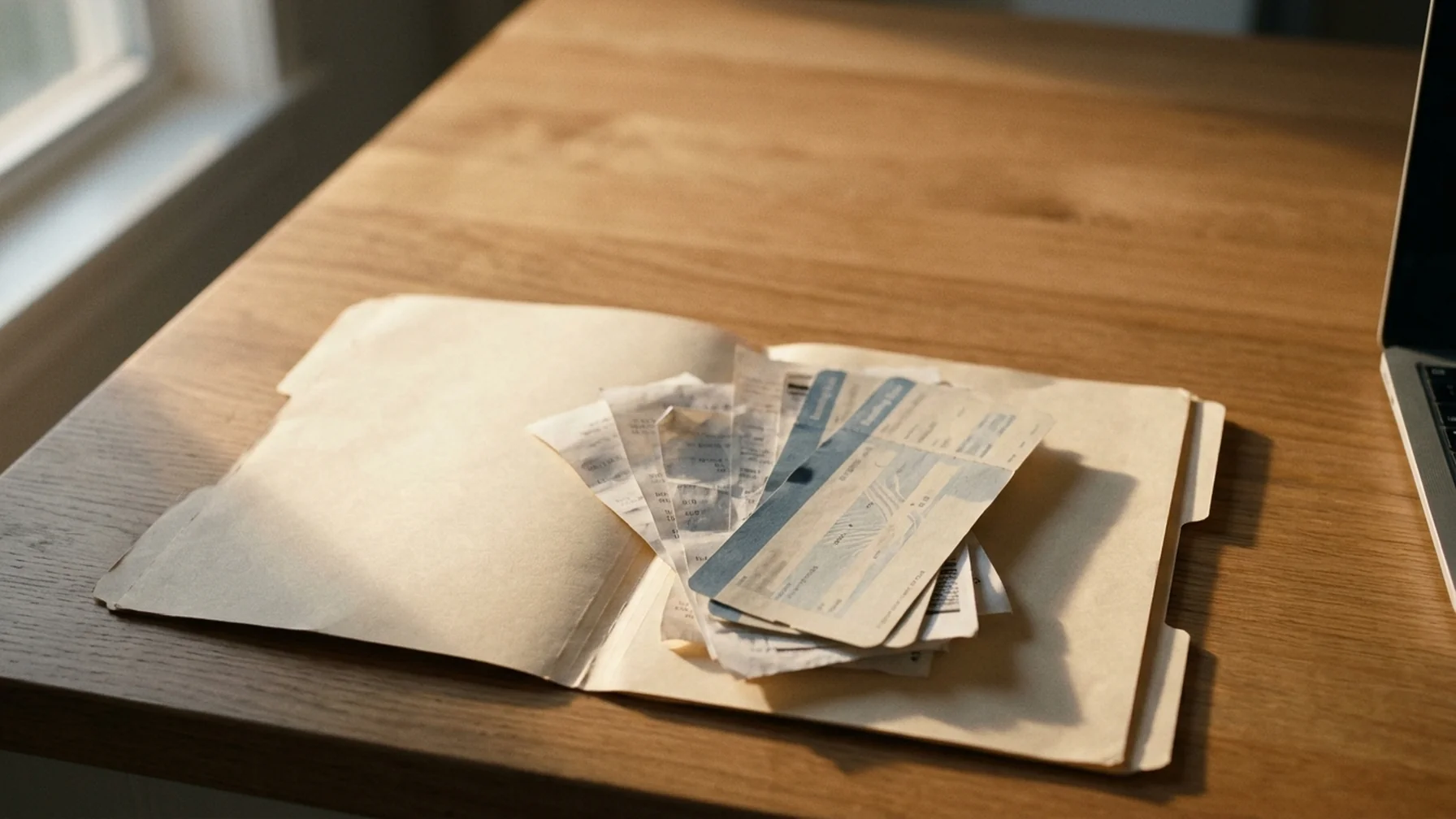
A folder of boarding passes and receipts next to a laptop on a kitchen counter

Records to keep from day one

Border stamps, boarding passes, accommodation invoices, and bank statements showing local spending are the evidence a residency claim rests on. Store them per country and per year rather than in one folder. If you plan to claim non-residency somewhere, note the date you left and what you kept there, because a retained home or family presence is often what triggers a continuing claim.

See record-keeping checklists

Latest from the Blog